
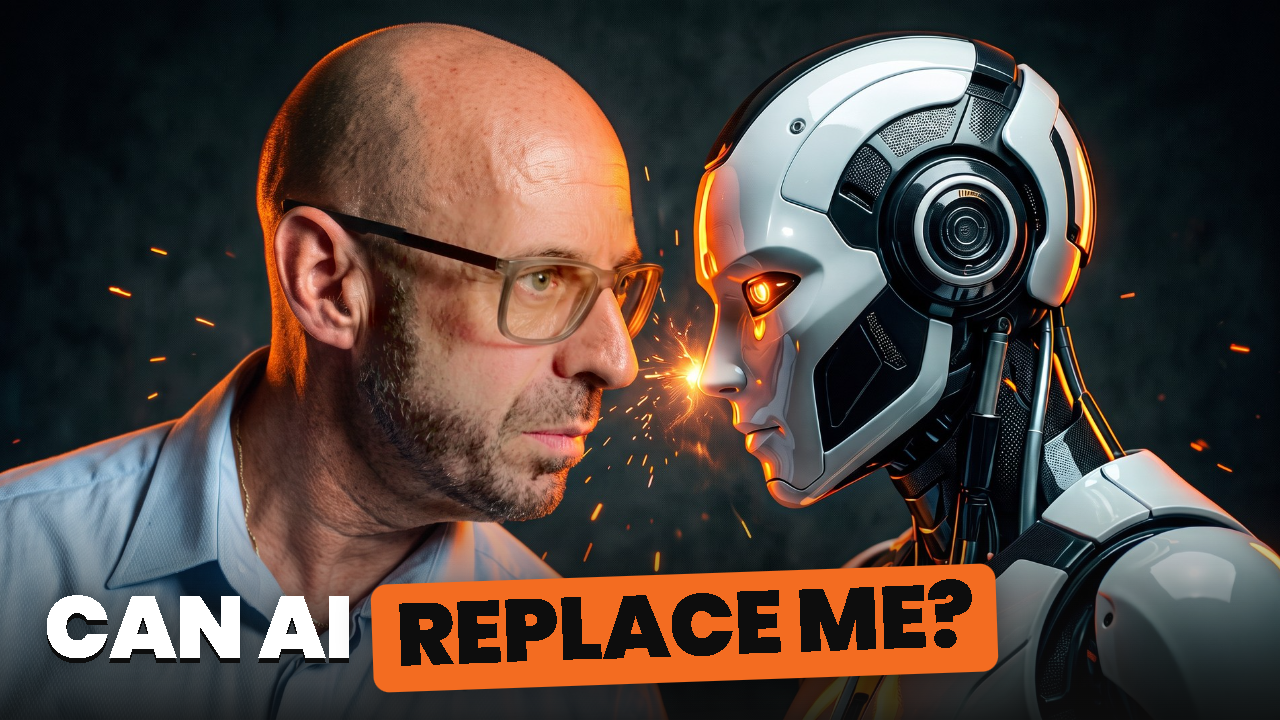
Artificial intelligence is changing the way we research almost everything, and buying property in Spain is no exception.
If you’re considering buying a home on the Costa del Sol, you can now ask ChatGPT to recommend locations, calculate buying costs, assess property prices, find available listings and even provide a checklist of things to look for when viewing a property.
But how reliable is that advice? And could ChatGPT eventually replace the traditional estate agent?
I decided to find out.
I’m Keith from Target Property Spain, and I’ve been helping people buy property on the Costa del Sol for more than 20 years. I regularly help international buyers navigate the Spanish property market, from finding the right location to negotiating a purchase and avoiding some of the pitfalls that can catch overseas buyers out.
So I decided to put ChatGPT up against my own experience in seven rounds, using questions that buyers regularly ask me.
The result was closer than I expected!
Seven rounds. Seven real questions about buying property in Spain. One competition between AI and more than 20 years of local property experience.
Watch the video to see how ChatGPT performed, where it surprised me and, perhaps more importantly, where it fell short.
1. Where should you buy property on the Costa del Sol?
Our first question was straightforward.
We asked ChatGPT to recommend the best areas for a British couple with a budget of €400,000. They wanted to be within walking distance of the beach, restaurants and cafés, and expected to spend around four months of the year in Spain.
ChatGPT recommended five locations:
- La Cala de Mijas
- Fuengirola
- Benalmádena Costa
- Estepona
- Sabinillas
It was a sensible shortlist, and broadly speaking, I agreed with most of its suggestions.
However, I would probably have included other parts of Mijas Costa, such as Calahonda and Riviera del Sol.
Choosing where to buy property in Spain isn’t simply about finding somewhere within budget. You need to consider your lifestyle, how often you’ll use the property, whether you intend to rent it out, access to amenities and how easily you’ll be able to get around without a car.
Verdict: ChatGPT wins this round.
2. What are the costs of buying property in Spain?
The next question was about one of the most important considerations for anyone purchasing Spanish property: how much will you actually need on top of the purchase price?
We asked ChatGPT to calculate the buying costs for a resale apartment in Mijas priced at €300,000, assuming a cash purchase without a mortgage.
It estimated additional costs of approximately €25,000–€27,000, including:
- Property Transfer Tax (ITP)
- Solicitor’s fees
- Notary fees
- Land Registry fees
It also provided a breakdown of the estimated costs and the overall purchase budget.
This was a pretty good answer.
Understanding Spanish property taxes and buying fees is essential because the advertised price isn’t the amount you’ll ultimately need to pay.
For buyers purchasing a resale property in Andalucía, Property Transfer Tax is a particularly important consideration. Other costs, including legal fees, notary charges and registration fees, also need to be factored into your budget.
Buying costs can vary depending on the type of property, applicable tax rules and whether you’re using a mortgage.
Verdict: ChatGPT wins this round.
3. Is that cheap villa in Spain really a bargain?
Now things became a little more interesting.
We presented ChatGPT with a four-bedroom villa with sea views in Calahonda, advertised on Idealista for €495,000.
Similar villas nearby were being advertised for €650,000 or more.
Was it a bargain?
ChatGPT correctly identified that the difference was potentially significant and suggested several reasons why the property might be cheaper.
These included:
- The condition of the property.
- Its precise location.
- Whether the sea views were comparable.
- Any legal issues or unauthorised extensions.
- Community fees and ongoing maintenance costs.
It also asked for the original property listing so it could investigate further.
All sensible suggestions.
But there was one rather important issue it hadn’t considered.
Was the property actually still for sale?
Unfortunately, this is something buyers regularly encounter when searching for property in Spain, particularly on large property portals such as Idealista.
Listings aren’t always updated promptly. Some properties have already sold, been withdrawn or are no longer available, but remain advertised online.
I recently worked with an American buyer who sent me a spreadsheet containing around 60 properties they’d found on Idealista.
When I went through the list, approximately 60% were no longer available.
One was even being advertised by a seller who wanted a deposit simply to arrange a viewing!
Knowing the local market, the agents operating in the area and the properties themselves makes a significant difference.
An attractive asking price is only useful if the property exists, is genuinely available and represents good value.
Verdict: Keith wins this round.
4. Are property asking prices in Spain realistic?
This was based on a real-life situation we encountered in a frontline beach community in Mijas Costa.
One property had recently undergone a complete renovation and sold for €700,000. It was beautifully presented, and we considered that a fair price for a frontline beach property in that condition.
Two neighbours then decided to put their own properties on the market for exactly the same price.
The problem?
They hadn’t renovated anything. Both properties remained in their original condition and were approaching 40 years old.
A buyer looking at the three properties could easily assume that €700,000 was the going market price.
But was it?
ChatGPT recognised that the properties needed to be compared carefully, taking into account their condition, views, layout and other features.
It also made an important distinction between three different things:
- Asking price: What the seller wants.
- Sold price: What a buyer actually paid.
- Market value: What a property is realistically worth in the current market.
An advertised price isn’t necessarily the amount a buyer will pay, and seeing similar properties advertised at the same price doesn’t automatically make that price realistic.
In Spain, historical property sale prices aren’t generally available through a freely accessible public database in the way buyers might expect in some other countries.
This makes understanding the local market and having access to relevant professional knowledge particularly valuable.
In our example, we were able to explain the differences between the properties and help a buyer avoid potentially overpaying by close to €100,000.
ChatGPT even suggested obtaining an independent valuation before committing.
Verdict: Keith wins this round.
5. What should you look for when viewing a property in Spain?
I was fairly confident this would be an easy win for me.
But ChatGPT surprised me.
It produced a comprehensive checklist covering seven important areas:
- Damp and water damage: Look for signs of moisture, staining, mould and previous repairs.
- Roofs and terraces: Check their general condition and look for signs of water ingress.
- Swimming pools and gardens: Look for missing tiles, potential leaks and signs of poor maintenance.
- Electrics, plumbing and air conditioning: Consider the age and condition of the installations.
- Plot boundaries and extensions: Check whether extensions and alterations have the appropriate legal status.
- Sun orientation: Consider how much sunlight the property receives throughout the day.
- The neighbourhood: Look at surrounding properties, road noise, nearby facilities and general accessibility.
It also suggested questions to ask during the viewing, including how long the property had been on the market, whether the price had been reduced and why the owner was selling.
Honestly, it was a better checklist than I might have given someone over a coffee!
Of course, asking the seller questions doesn’t necessarily mean you’ll receive all the answers you need. An experienced local agent can often help establish additional information, and independent professionals should be involved where technical or legal checks are required.
Verdict: ChatGPT wins this round.
6. Can ChatGPT find every property for sale in Spain?
So far, we’d been asking ChatGPT to analyse properties we’d already found ourselves.
Now we wanted it to do the searching.
We asked it to find every three-bedroom villa for sale in Calahonda, Mijas Costa.
It produced a selection of properties from online listings, gave us links to explore and asked about our budget to narrow down the search.
Again, useful.
But there’s something important that online property searches cannot necessarily show you.
Not every property for sale is advertised publicly.
Some sellers prefer a discreet sale. They don’t necessarily want a for-sale board outside their home or photographs of their property appearing across the internet.
Others may have properties coming onto the market that haven’t yet been fully advertised.
These are often referred to as off-market properties or pocket listings.
At Target Property Spain, we sometimes have buyers looking for very specific types of property. When we hear about something that might suit them, we can approach those buyers directly.
Those properties may never appear on Idealista or any other property portal.
And if a property isn’t advertised online, ChatGPT is unlikely to find it through a conventional property search.
Verdict: Keith wins this round.
7. Does ChatGPT simply tell you what you want to hear?
This was the round I’d been looking forward to most.
At the beginning of our experiment, we’d told ChatGPT that we’d just paid a reservation deposit on a three-bedroom villa in Mijas for €280,000.
It congratulated us.
It told us how exciting the purchase was and what a wonderful opportunity it sounded like.
But it hadn’t asked a single question about why the property was priced at €280,000.
So we tried again.
This time, we told ChatGPT exactly the same thing: we’d paid a deposit on the same three-bedroom villa in Mijas for €280,000.
But we added that we thought we’d overpaid and made a terrible mistake.
Its response was completely different.
It reassured us, told us to take a breath and explained that doubts after making a significant purchase were understandable.
It then suggested a number of things we could investigate to establish whether we’d actually paid too much.
Now, the information we’d given it was identical.
The property was the same, the price was the same and the deposit was the same.
The only thing we’d changed was how we felt about the purchase.
This highlights something worth remembering when using AI.
ChatGPT is designed to be helpful and responsive to the way you frame a question. If you approach it with a particular assumption or concern, its response can reflect that framing.
That doesn’t necessarily mean it’s deliberately telling you what you want to hear, but it does mean you need to be careful about treating reassurance as independent advice.
If you’re considering buying property in Spain, you want someone prepared to challenge your assumptions, ask awkward questions and tell you when something doesn’t look right.
In fact, if this had been a real client of mine, I would never have wanted them to pay a reservation deposit without first understanding exactly what they were buying.
Verdict: Keith wins this round.
The final score: Keith 4 – ChatGPT 3
It was closer than I’d expected, and I have to give ChatGPT credit.
It was particularly good at helping with general research, identifying potential buying costs, suggesting areas to consider and producing useful viewing checklists.
These are all things you can do yourself, from the comfort of your sofa.
But the rounds I won came down to things that require local knowledge and real-world experience.
Knowing whether a property is genuinely available, understanding whether an asking price is realistic, finding properties that aren’t advertised online and, perhaps most importantly, knowing when to tell a buyer to stop and think before committing their money.
That’s where having an experienced local estate agent can make a real difference.
Should you use ChatGPT when buying property in Spain?
Absolutely.
I wouldn’t discourage anyone from using AI to help research the Spanish property market.
In fact, I’d encourage it.
ChatGPT can be an excellent starting point when you’re researching locations, comparing property types, understanding the buying process and preparing questions before a viewing.
But it shouldn’t be your only source of advice.
It can’t physically inspect a property, independently establish every detail of its condition, access every off-market listing or replace the work of a qualified Spanish solicitor, surveyor or other relevant professional.
And it certainly can’t bring 20 years of local experience to the table.
My advice is simple: use AI to become a better-informed buyer, but don’t rely on it to make the decisions for you.
Put ChatGPT to the test – and then ask us!
Here’s my challenge.
If you’re looking at buying property on the Costa del Sol, find a listing that interests you and paste the link into ChatGPT.
Ask it to tell you everything it can about the property.
Then send the same link to us at Target Property Spain.
I’ll give you my honest opinion and see if there’s anything ChatGPT might have missed.
You might be surprised.
At Target Property Spain, we’re an independent estate agency based in Mijas Costa, helping international buyers and sellers across the Costa del Sol.
Whether you’re looking for an apartment in Calahonda, a villa in Mijas, a townhouse in La Cala de Mijas or a property in Marbella, we’re here to help.
No pressure. Just honest advice and local knowledge.
Browse properties for sale: https://www.targetpropertyspain.com
Explore our property guides and market updates: https://www.targetpropertyspain.com/blog
Frequently Asked Questions
Can ChatGPT help me find property for sale in Spain?
Yes. ChatGPT can help you research locations, identify online property listings and narrow down your search. However, its results may not include every available property, and listings should always be independently checked to confirm that they are genuine and still available.
Is ChatGPT reliable for buying property in Spain?
ChatGPT can be useful for general research, understanding the buying process and preparing questions. However, it should not replace independent legal advice, technical inspections or professional guidance from people familiar with the local property market.
Can ChatGPT tell me if a property in Spain is overpriced?
It can help compare asking prices and identify factors that might influence value. However, advertised prices are not necessarily achieved sale prices, and assessing the true market value of an individual property requires detailed local knowledge and comparable evidence.
What are the costs of buying property in Spain?
Buyers need to budget for the purchase price plus applicable taxes, legal fees, notary fees and Land Registry charges. The exact amount depends on the property, its location, whether it is a resale or new-build and the circumstances of the purchase.
Can an estate agent find properties that aren’t advertised online?
Yes. Some properties are marketed discreetly or are not yet publicly advertised. Local agents may know about these opportunities through their relationships with vendors, other agents and existing buyers.
Do I need an estate agent to buy property in Spain?
You can search for and purchase property independently, but an experienced local agent can help you navigate the market, arrange viewings, negotiate with sellers and identify potential issues. You should also appoint an independent Spanish solicitor to advise on the legal aspects of your purchase.